

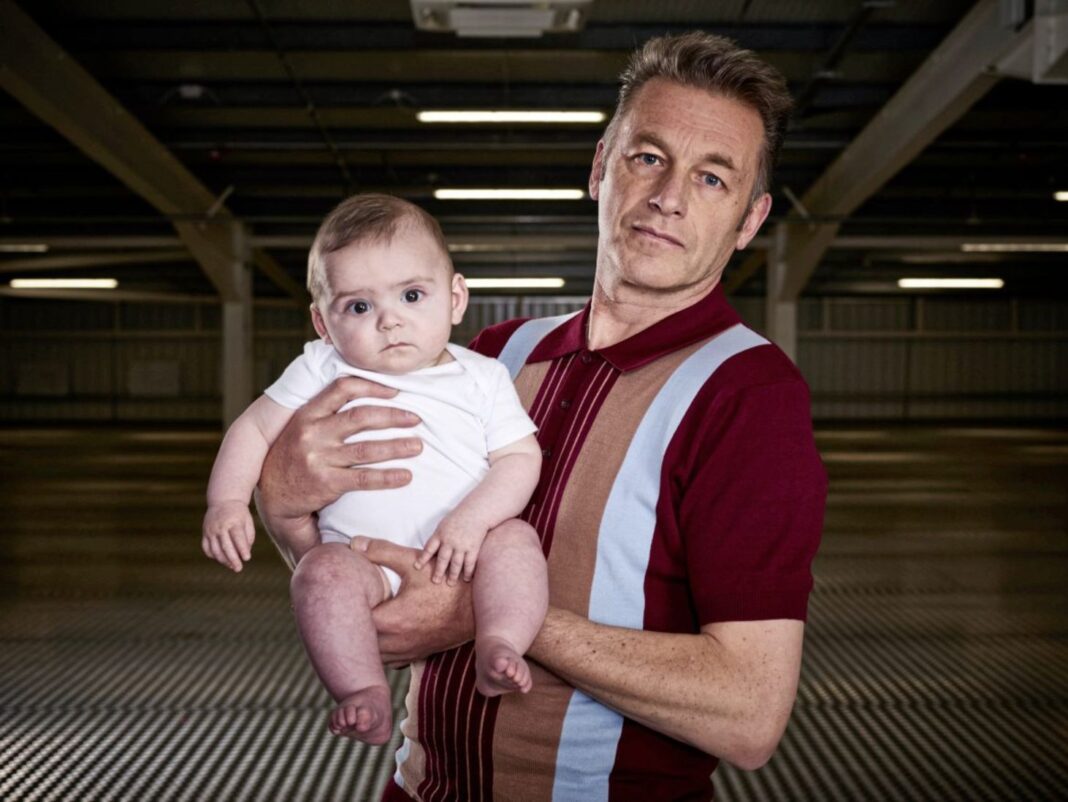
Chris Packham children news is a quieter but revealing corner of the media landscape. The prominent naturalist and broadcaster is intensely associated with wildlife, climate and campaigning; family rarely sits at the centre of his public narrative. When it does surface, it tends to sharpen rather than soften the image people already have of him.
Unlike many entertainment figures, Packham’s brand is anchored in expertise and advocacy, not lifestyle. That makes any reference to children—his own or those he mentors—carry a different weight. It is not just about parenthood; it is about legacy, responsibility and the next generation of environmental voices.
How Family References Shape An Environmental Advocate’s Narrative Context
In Chris Packham children news, the key theme is continuity. When he speaks about younger people in his life, the focus usually turns to what kind of planet they will inherit. Family becomes a way to personalise an otherwise abstract global problem, giving climate risk a human scale.
From a practical standpoint, this is powerful storytelling. People may struggle to relate to biodiversity loss in the abstract, but they understand what it means to want a safe, stable future for their children. Integrating that frame into his messaging amplifies impact without diluting the science.
I have seen similar advocates use this approach to good effect. The balance is in not over-sentimentalising it. Packham’s tone tends to stay grounded, which keeps the conversation from tipping into emotional manipulation and maintains credibility with more sceptical audiences.
Signals, Privacy And The Reality Of Limited Public Detail
Chris Packham children news is notable for what it does not contain. There is relatively little granular public data about day-to-day family life, and that absence is deliberate. He has drawn a clearer boundary than many peers between his campaigning identity and his personal relationships.
That boundary is itself a signal. It communicates that the cause—not the man’s private life—is the primary focus. In my experience, audiences who care deeply about environmental issues generally respect that stance. They do not require lifestyle access in the same way fans of pure entertainment figures often do.
From a risk perspective, limited exposure reduces opportunities for sensationalism. There are fewer photos to misinterpret, fewer casual moments to strip of context. In reputational terms, it is closer to a “need to know” model: share enough for human connection, but not enough for endless speculation.
Mentorship, Young Activists And The Pressure Of Public Expectations
Chris Packham children news often overlaps with his mentorship of younger environmentalists. While not “children” in the familial sense, these relationships function in a similar narrative role. They show him not just as a commentator, but as someone actively investing in the next generation.
The reality is that once you become a visible champion of a cause, people expect you to be building successors. That is both an opportunity and a pressure. If those younger voices thrive, it validates your approach. If they stumble, critics may question your judgement or the movement’s depth.
From a practical standpoint, I have seen that the most successful mentorship narratives share credit rather than claim ownership. Framing these activists as independent partners rather than protégés preserves their agency and avoids creating a hierarchy that can become a PR liability.
Media Cycles, Controversy Risk And Family As Collateral
Any time an advocate takes strong positions, there is backlash. Chris Packham children news occasionally spikes when critics or hostile commentators drag family into the debate, directly or indirectly. That is one of the darker aspects of contemporary media cycles: opponents target what you care about most.
The reality is that you cannot fully firewall family from the consequences of public work, but you can reduce exposure. By keeping family largely off-stage, Packham has limited the attack surface. Most coverage that references children does so in the context of his concern for future generations, not as a personal vulnerability.
What actually works in these situations is refusing to engage with ad hominem diversions. When the conversation is pulled back to data, policy and science, attempts to weaponise family tend to lose traction. It is not perfect protection, but it substantially lowers the reputational volatility.
Legacy, Future Audiences And The Long-View On Children’s Role
Chris Packham children news ultimately circles back to legacy: what traces of his work will remain when current programmes and campaigns end. References to children—whether implied or explicit—are a way of anchoring that legacy beyond ratings and awards.
What I have learned is that for mission-driven figures, the most meaningful metric is not follower counts today, but how many future advocates cite them as an influence. In that sense, every young person who engages with his work, whether related by blood or not, is part of the extended “family” narrative.

