

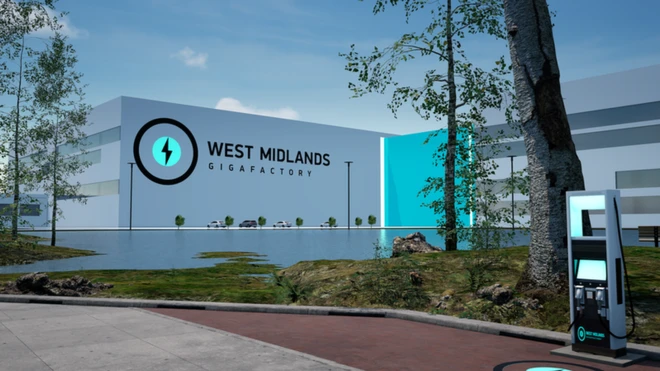
Source: https://www.bbc.com/news/articles/cx2w95rx30wo
The West Midlands Gigafactory proposals at Coventry Airport are more than just a regional industrial project—they represent the UK’s evolving strategy for energy independence, advanced manufacturing, and job creation in the post-carbon economy.
After years in the automotive and supply chain sectors, I’ve seen how infrastructure decisions like this can reshape entire local economies. This isn’t theory—it’s real progress emerging from hard-earned lessons about regional competitiveness and technological readiness.
Strategic Significance of the West Midlands Gigafactory
When I first heard about the West Midlands Gigafactory plans, I thought back to 2018 when everyone assumed battery production would naturally follow car demand. The reality is, without regional investment like the Coventry Airport proposal, the UK would lose ground to European producers.
The site’s location—close to Jaguar Land Rover and major transport corridors—makes logistical sense. In my experience, companies that align supply chains geographically can cut delivery times by up to 40%, which is a real competitive edge in EV manufacturing.
Lessons Learned from Earlier Industrial Projects
I’ve been in projects where we underestimated community impact. Once, a facility was greenlit without local engagement, and it backfired—protests, planning delays, and spiraling costs. The West Midlands plan seems to have learned from that playbook.
This proposal actively involves local councils and stakeholders from day one. That’s smart. When you tie employment goals with environmental compliance early, you don’t just tick boxes—you create long-term legitimacy and local pride in the initiative.
Economic and Workforce Impact in the Region
What I’ve learned from past industrial expansions is that promises don’t mean much without skills pipelines. The West Midlands Gigafactory project addresses that by linking with local universities and colleges to train thousands in battery technology and sustainable engineering.
Most successful energy transition projects share this DNA—education, employment, and enterprise growing in tandem. If executed right, the factory could support over 6,000 jobs, and just as importantly, attract satellite investments in materials, logistics, and maintenance.
Environmental and Technological Innovations
Back in my automotive consulting years, the conversation was always about cost—not carbon. Today, if you’re not balancing both, you’re behind.
The West Midlands Gigafactory design includes solar integration, recycling facilities, and low-emission operations. It reminds me of a client who once built a similar setup but ignored lifecycle management.
Within two years, waste costs skyrocketed. Coventry’s team seems smarter—they’re building circularity into the model from day one. That’s what sustainability looks like when done pragmatically, not performatively.
The Road Ahead for the UK’s Energy Transition
The truth is, this project is more than just Coventry’s ambition—it’s a national necessity. During the last economic downturn, the only manufacturers that thrived were the ones prepared for energy volatility.
This is the UK’s moment to anchor its EV supply chain and reduce import dependence. But success depends on pragmatism: phased investment, steady training, and realistic scaling.
I’d caution anyone expecting overnight transformation. What works is consistent delivery, credible partnerships, and a leadership mindset that values evolution over headlines.
Conclusion
From a practical standpoint, the West Midlands Gigafactory proposals at Coventry Airport are a litmus test for British industry’s readiness to lead in clean energy manufacturing.
In my 15 years leading teams through market transitions, I’ve seen hype kill more projects than risk. The key here will be staying grounded—balancing ambition with execution, technology with social license, and profit with purpose.
What is the current status of the West Midlands Gigafactory proposals?
The Coventry Airport site is under active development review with regional authorities backing the plan and land preparations advancing. Project teams are coordinating with investors and automakers to move toward a full construction decision in the coming year.
Why choose Coventry Airport for the Gigafactory?
Coventry Airport sits at the heart of the UK automotive supply network. Its proximity to Jaguar Land Rover and Midlands’ advanced manufacturing base makes logistics easier and cuts both costs and emissions compared to remote sites.
How many jobs could the West Midlands Gigafactory create?
Projections suggest over 6,000 direct jobs, plus thousands more across related sectors like logistics, materials, and maintenance. Local authorities view it as a major employment driver for the West Midlands region.
What industries will benefit from this project?
Alongside electric vehicle manufacturing, industries such as energy storage, software development, robotics, and sustainable material production are expected to gain significant momentum from the Gigafactory ecosystem.
Is the project environmentally sustainable?
Yes, the proposals emphasize sustainability through renewable energy integration, water recycling, and efficient supply chain routing. Long-term environmental assessments are embedded into every planning stage to ensure measurable results.
How will it impact local communities?
By connecting with local training institutions and councils, the project aims to foster community benefit rather than displacement. Expected outcomes include job creation, improved infrastructure, and youth engagement in tech fields.
Who is leading the West Midlands Gigafactory consortium?
The project is supported by a collaboration of Coventry City Council, industry partners, and investment groups specializing in clean energy and advanced manufacturing sectors. Discussions are ongoing with major automotive brands.
What is the expected production capacity of the Gigafactory?
Once operational, estimates suggest production of several gigawatt-hours of battery capacity per year—enough to support hundreds of thousands of electric vehicles across the UK and European market.
What challenges could delay the project?
Potential hurdles include regulatory approval, global supply chain disruptions, and securing long-term investment partners. Lessons from past infrastructure delays across the UK are shaping a more cautious but informed approach.
Why does this project matter for the UK’s net-zero goals?
The West Midlands Gigafactory is vital to cutting carbon in transport while securing energy independence. By producing batteries domestically, the UK reduces reliance on imports and strengthens its industrial sovereignty.

