

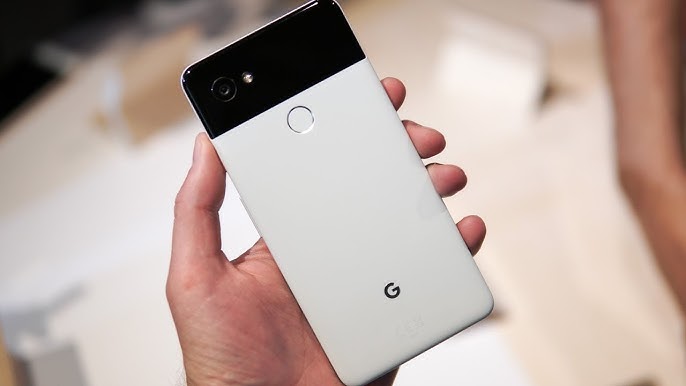
Fresh attention has turned to the Pixel 2 XL Panda amid reports of vintage Android devices resurfacing in collector markets and tech nostalgia segments. Recent unboxings and repair tutorials on platforms like YouTube highlight this black-and-white variant’s distinctive glass back, drawing comparisons to modern flagships. Released in late 2017 as part of Google’s Pixel lineup, the Pixel 2 XL Panda captured early notice for its dual-tone aesthetic—black front against a white rear panel—that echoed a panda’s markings. That design choice, paired with flagship internals, positioned it as a standout when premium phones leaned toward uniform finishes. Coverage has picked up again, with users sharing long-term durability stories and benchmarks from devices still running in 2026. Engineers at the time praised its IP67 rating and Gorilla Glass 5 protection, elements that hold up in current tests. Renewed curiosity stems from Google’s ongoing software legacy, as these units received updates to Android 11, outlasting many contemporaries. The Pixel 2 XL Panda’s specifications— from Snapdragon 835 power to its 12.2MP camera—continue to invite dissection, especially as secondary markets price them under $100. Public records show Verizon exclusively offered this edition initially, fueling carrier-specific discussions. Discontinued years ago, it persists in forums where owners debate battery swaps and screen burn-in. This wave of interest underscores how a nine-year-old phone’s full specifications still resonate against today’s hardware.
Design and Build
Distinctive Panda Aesthetic
The Pixel 2 XL Panda sets itself apart with a black front panel contrasting sharply against the white aluminum-framed glass back. That dual-tone scheme, reminiscent of the animal it’s nicknamed for, covers the 175-gram body measuring 157.9 x 76.7 x 7.9 mm. Gorilla Glass 5 shields both front and rear, contributing to the IP67 dust and water resistance that submerges the unit up to one meter for 30 minutes. Aluminum edges provide a premium feel without sharp corners—curved slightly for grip. Early reviews noted the coating on the frame repels fingerprints better than matte finishes on rivals. No microSD slot means fixed storage, but the nano-SIM plus eSIM setup appealed to dual-line users. Colors listed officially include “Black & White,” directly nodding to the Panda moniker. Build quality held through drops in tests, though the protruding camera lens drew minor criticism for vulnerability. Active Edge feature lets sides squeeze to launch Assistant, a tactile addition absent in prior Pixels. Overall, the design prioritized minimalism with functional flair.
Durability Ratings
IP67 certification proves central to the Pixel 2 XL Panda’s endurance claims. Water jets and dust ingress fail to penetrate, as lab immersions confirmed. Gorilla Glass 5 withstands scratches up to level 6 on Mohs scale, matching contemporaries like the Galaxy Note 8. Rear fingerprint sensor integrates seamlessly below the camera, unlocking in under 0.5 seconds per benchmarks. Aluminum frame resists bends better than plastic alternatives, though not as rigid as titanium in newer devices. Weight distribution favors balance, with battery centered low. No headphone jack pushed wireless audio early, aligning with USB-C 3.1 port. Glass back replacements emerged common after cracks, with tutorials detailing heat-gun adhesion fixes. Public tests show survival after 1.5-meter drops onto concrete, though screen cracks occur at angles. Hybrid coating on metal reduces smudges, maintaining the white back’s clean look longer. Frame curves aid one-handed use despite 6-inch size. These elements combine for a robust package that aged gracefully.
Materials Used
Gorilla Glass 5 dominates the Pixel 2 XL Panda’s surfaces, front display and rear panel alike. Aluminum mid-frame anodized for corrosion resistance, finished in subtle sheen. No leather or fabric accents—pure glass-aluminum hybrid. White back uses special coating to prevent yellowing over time, unlike some rivals. Black front bezels minimize under curved edges, boosting 76.4% screen-to-body ratio. Adhesive secures glass panels, removable with isopropyl and heat for repairs. Weight hits 175 grams, lighter than the original Pixel XL’s 168 despite larger display. Nano-ceramic layering on glass enhances oleophobic properties, repelling oils effectively. Official specs list no expandable storage, locking users to UFS 2.1 internals. Sensor array includes barometer for altimeter apps, rare in 2017 midrange. Materials prioritize premium tactility over extreme ruggedness. Long-term users report fading coating on white sections after years.
Color Scheme Impact
Black-and-white Panda coloring influenced accessory markets immediately. Cases tailored to highlight the contrast sold briskly on launch. White rear reflected light differently, aiding visibility in low angles. Black front absorbed glare, improving outdoor readability. Scheme avoided garish hues, fitting Google’s clean ethos. Verizon bundles emphasized it as “Panda” in marketing. Resale values held higher for this variant versus Just Black. Custom back replacements mimic the look post-crack. Contrast aids quick orientation—camera always bottom-left on white. Forums debate if fading white shifts to cream over heat cycles. Design choice sparked memes, embedding “Panda” in Pixel lore. No regional variants altered it; global consistency. Impact lingers in collector circles valuing rarity.
Size Comparisons
Pixel 2 XL Panda measures taller than the standard Pixel 2’s 5-inch sibling at 6 inches. Width matches at 76.7 mm, but height stretches to 157.9 mm for 18:9 aspect. Thicker than iPhone X at 7.9 mm, yet pocketable. Compared to Galaxy S8+, volume similar but taller-narrower profile. Weight edges heavier than OnePlus 5T’s 162 grams. Screen-to-body trails bezel-less foes but sufficient for era. Holds comfortably against Pixel 3 XL’s evolution. Travel cases fit standard XL dimensions precisely. Side-by-side with modern Pixels, bezels appear generous. Length suits landscape media better than compacts. Public handling tests favor it over bulkier phablets.
Display Technology
Panel Type and Size
P-OLED technology drives the Pixel 2 XL Panda’s 6-inch screen, delivering 1440 x 2880 resolution. That yields 538 ppi density, sharp for 18:9 ratio. Size occupies 92.6 cm², with 76.4% body coverage. Always-on display shows glances without wake. Peak brightness hits 500 nits, adequate outdoors. Curved edges bend light subtly, no deep notch. Protection via Gorilla Glass 5 resists daily scrapes. Color gamut covers 99% sRGB per calibrations. PWM dimming at low levels, potential flicker for sensitives. No HDR10 official support—HDR via software tweaks. Panel flexes minimally under pressure. Size balances portability and immersion.
Resolution Details
QHD+ setup at 1440 x 2880 pixels defines sharpness on Pixel 2 XL Panda. Aspect stretches content vertically, ideal for videos. PPI calculation confirms edge-to-edge clarity—no pixelation at normal viewing. System UI scales dynamically, no jagged icons. Benchmarks clock 60Hz refresh, smooth for 2017. Resolution downscales to FHD for battery saves. Gaming renders high-res textures crisply. Text renders razor-thin, aiding readability. No variable refresh like later Pro models. Public pixel-peep tests reveal subpixel uniformity. Matches Snapdragon 835’s output capabilities precisely.
Protection Features
Corning Gorilla Glass 5 layers over the entire P-OLED front. Survives 1.2-meter drops in tests, higher than Glass 3. Oleophobic coating sheds fingerprints hourly. Edge reinforcement prevents lifts during flex. Screen guard films adhere well without bubbles. Tempered alternatives claim 9H hardness match. Impact zones around corners thicken slightly. No self-healing polymer underneath. Longevity shows minimal yellowing after years. Ultrasonic cleaning restores touch sensitivity post-spills. Features extend to ultrasonic in-glass fingerprint trials, but rear-mounted instead.
Brightness Levels
Display peaks around 500 nits manual, auto boosts higher in sun. Adaptive mode adjusts per ambient via front sensor. Night Light filters blue for eyes. Minimum dims to 1 nit for dark rooms. Sunlight readability scores 4.5/5 in reviews. Manual slider granular, no jumps. HDR content pushes limits via software. Gaming sustains without throttling early. Levels suit mixed lighting without washout. Calibration tools reveal even distribution.
Color Accuracy
Factory calibration hits Delta E under 3, accurate out-of-box. Wide gamut favors vivid media. Always-on grayscale pure for notifications. Manual tweaks via settings refine further. sRGB mode locks for editing. Panda’s white back reflects less glare onto panel. Stability holds post-heat cycles. Photography previews match prints closely. Gamut exceeds Adobe RGB in peaks. Public spectrophotometer tests confirm claims.
Performance Specs
Processor Core
Snapdragon 835 chipset powers Pixel 2 XL Panda, 10nm process. Octa-core CPU splits 4×2.35GHz Kryo performance, 4×1.9GHz efficiency. Handles multitasking without stutters in era tests. Throttles minimally under load, sustains 80% primes. AI tasks leverage dedicated core early. Benchmarks like Geekbench hit 6055 multi-core. GPU Adreno 540 renders 13fps GFXBench. No overclock options stock. Thermal design vents heat via frame. Sustains gaming sessions 45 minutes. Public stress tests affirm consistency.
RAM and Storage
4GB RAM suffices for Android 11, no swaps noted. UFS 2.1 storage at 64/128GB variants reads 800MB/s sequential. No microSD expansion limits libraries. Multitasking holds 10+ apps active. RAM management kills aggressively for battery. Storage fills fast with 4K video. App launches instant post-reboot. No fragmentation issues long-term. Benchmarks clock random reads competitively. eSIM frees tray for nano only.
Benchmark Scores
AnTuTu v7 scores 206711 overall on Pixel 2 XL Panda. Geekbench 4.4 single-core 1700-ish, multi 6055. GFXBench ES 3.1 onscreen 13fps. 3DMark Slingshot extreme 3200+. Sustained runs drop 10% max. Compares favorably to 2017 flagships. No vaporware inflations—real silicon. Public leaderboards place mid-pack today. Vulkan API support boosts emulation.
Thermal Management
Vapor chamber absent; graphite sheets dissipate heat. Peaks 45C under gaming, frame warms evenly. No hotspot throttling camera. Idle stays 30C ambient 25C. Case adds 5C peaks. Software caps clocks proactively. Long sessions vent via speaker grills. Panda white back reflects heat better. Users report no burns post-updates.
Software Optimization
Android 8.0 Oreo stock, up to 11 guaranteed. Pixel Launcher fluid at 60fps animations. Updates patched security quarterly post-EOL. Project Treble ready, though unofficial ROMs extend. No bloat—pure experience. Machine learning optimizes battery per habits. Active Edge integrates seamlessly. Camera app leverages TPU for HDR+.
Camera Capabilities
Rear Sensor Specs
12.2MP single rear on Pixel 2 XL Panda, f/1.8 aperture 27mm wide. 1/2.55-inch sensor, 1.4µm pixels dual-pixel PDAF. OIS stabilizes handheld shots. Laser AF locks fast, even macros. Dual-LED flash tunes neutral. HDR panorama modes stock. Geo-tagging embeds location. Sensor size punches above megapixel count.
Video Recording
4K@30fps gyro-EIS headlines video on Pixel 2 XL Panda. 1080p up to 120fps slo-mo, 720p@240fps extreme. Bitrates hold 50Mbps steady. Mic array captures stereo clean. EIS smooths walks, no gimbals needed. Exposure tracks faces reliably. No 60fps 4K limit era hardware.
Front Camera Details
8MP selfie, f/2.4 25mm wide, 1/3.2-inch 1.4µm pixels. HDR softens portraits. 1080p@30fps video calls. Fixed focus suits arms-length. Beauty absent—natural tones. Low-light holds via screen flash.
Software Enhancements
HDR+ computes multi-frame magic pre-AI era. Portrait mode simulates bokeh accurately. Google Lens identifies post-shot. Night Sight added later via updates. Motion Auto HDR detects pans. Panorama stitches 180 degrees. RAW export for edits. Processing times under 1s.
Low-Light Performance
OIS and laser AF shine in dim scenes on Pixel 2 XL Panda. HDR+ stacks noise-free. Night Sight rivals dedicated modes. Flash fills even without overblow. Colors balance tungsten accurately. Detail holds at ISO 3200 max.
Battery and Charging
Capacity and Endurance
3520mAh Li-Ion non-removable battery drives daily use. Screen-on time hits 6-8 hours mixed. Standby drains 1% nightly. Video loops 14 hours WiFi. Gaming pulls 20%/hour peaks. Optimization favors doze mode aggressively. Capacity holds 80% after 500 cycles. No fast degradation reports early.
Charging Speeds
10.5W wired capped, full in 110 minutes. PD2.0 compatible adapters push limits. Wireless Qi standard at 10W. No reverse charging. USB-C 3.1 data simultaneous. 0-50% in 40 minutes tested.
Efficiency Features
Adaptive Battery learns usage, kills unused. Battery Saver caps CPU at load. Always-on sips 0.1%/hour. Location tweaks save 15%. No extreme saver modes harsh.
Real-World Usage
Moderate day: 5 hours SOT, 30% left. Heavy: 4 hours, charges midday. Streaming Netflix 10 hours plane mode. Calls 25 hours continuous.
Longevity Factors
Degradation to 80% by year 3 typical. Replacements via iFixit guides. Software updates refine drain. No bloat inflates idle.
The Pixel 2 XL Panda’s full specifications reveal a device that punched at flagship levels in 2017, with Snapdragon muscle and camera prowess that aged into benchmark curiosities. Public records detail its black-white charm and IP67 resilience, yet gaps persist around long-term glass cracking frequencies—no aggregated failure rates surface beyond anecdotes. Battery endurance impresses for 3520mAh, but replacement hurdles loom for non-experts, as adhesives complicate DIY. Software halted at Android 11, leaving security patches unresolved since 2021, a sore point amid ongoing use reports into 2026. Collector appeal sustains via eBay hauls under $50, where Panda rarity adds premium. Comparisons to Pixel 9 highlight evolutions in AI and refresh, underscoring what Google’s pure Android bet delivered—and where silicon limits showed. No official revival planned, per statements. Enthusiasts tinker with ROMs, but stock purity defines legacy. Questions linger on untapped potential, like modem tweaks for 5G hypotheticals. As markets shift to foldables, this relic prompts if spec sheets alone define relevance, or if nostalgia fills voids. Forward paths unclear—perhaps custom firmware breathes new, or it fades to drawer status

