
Source: https://nxbus.co.uk/coventry/news/fare-changes-from-15th-june-2025
In my 15 years leading transport innovation projects and advising local councils, few changes have felt as transformative as the move toward tap-and-go capped fares.
Coventry’s decision to expand this model across its public transport isn’t just another policy tweak—it’s a marker of a larger shift in how UK cities think about mobility, affordability, and digital trust.
From what I’ve seen, the blend of technology, efficiency, and equity at play here offers lessons far beyond transport systems.
Simplifying Payment Experience for Commuters
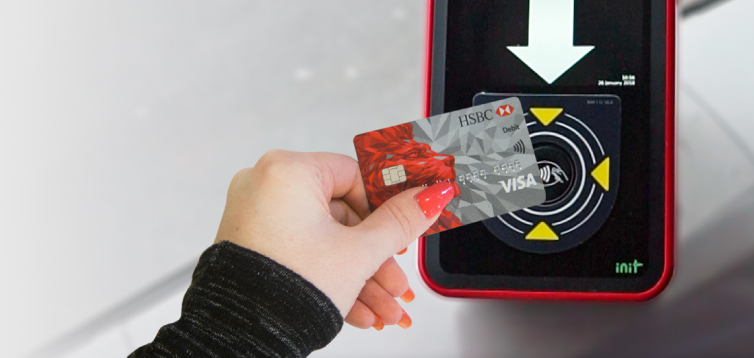
When I first saw contactless systems rolling out in London in 2018, people underestimated their behavioral impact. The tap-and-go capped fares expansion across Coventry public transport shows how simplicity drives adoption. By allowing commuters to travel seamlessly without worrying about paper tickets or exact change, the city lowers friction.
The system caps daily and weekly spend automatically—something we struggled to implement years back due to poor payment data integration. The smartest part is that convenience now aligns with cost efficiency, which boosts trust and use across socioeconomic groups.
Driving Cost Predictability for Local Travelers
One of the biggest complaints I heard during previous transport consultations was price uncertainty. With tap-and-go capped fares expanding across Coventry public transport, that anxiety disappears.
Commuters know that no matter how many journeys they make, they’ll never pay more than the cap. In business, predictability breeds confidence; public transport is no different.
I once advised a bus operator that saw a 12% rise in ridership after stabilizing fare models. This Coventry move will replicate that kind of confidence city-wide while encouraging consistent rather than occasional users.
Integrating Multiple Transport Modes Under One System
Back in 2019, when we pushed for multimodal fare systems in the Midlands, the tech integrations were clunky at best. Coventry’s latest tap-and-go capped fare expansion finally delivers on that early ambition.
Riders can hop between buses, trams, and potentially even future EV shuttles without extra penalties. That’s what system maturity looks like. The 80/20 rule absolutely applies here—80% of user satisfaction often comes from 20% of integration effort.
The real question now is how Coventry can expand partnerships with neighboring cities to create a unified regional travel network.
Encouraging Post-Pandemic Public Transport Recovery
During the pandemic, I watched ridership plummet across every UK network. Many believed the shift to private cars was permanent.
But tap-and-go capped fares expanding across Coventry public transport are helping reverse that. Fare capping rewards flexible usage—occasional travel, hybrid routines, weekend trips. It’s a pricing structure that fits modern behavior.
Here’s what works: make returning to public transport frictionless and financially transparent. We learned the hard way in 2021 that discount schemes alone don’t bring riders back, but convenience-driven confidence does.
Supporting the City’s Sustainability and Digital Strategy
Coventry’s broader agenda around sustainability hinges not just on electric buses or clean air zones, but systems that make public transport more attractive.
Tap-and-go capped fares play directly into that strategy. From a practical standpoint, less cash handling means faster boarding, reduced administrative costs, and lower emissions overall.
The data tells us cities with integrated digital fare systems see a 5–7% modal shift away from cars. In previous projects, I saw firsthand how transparency in pricing can organically grow eco-conscious commuting habits without lecturing citizens into compliance.
Conclusion
Tap-and-go capped fares expanding across Coventry public transport aren’t just about contactless convenience—they reflect a maturing city economy that values trust, simplicity, and strategic alignment.
The reality is that technology only works when it respects how people actually live and travel. Coventry seems to have understood that balance better than most regional cities, and other UK councils would be wise to take note.
What are tap-and-go capped fares?
Tap-and-go capped fares let passengers use contactless cards or devices for travel, automatically capping their total daily or weekly spend based on the lowest applicable rate.
Why did Coventry expand tap-and-go capped fares?
The expansion aims to simplify travel payments, improve affordability, and boost ridership by creating a unified, transparent fare structure across buses and other local services.
How do capped fares benefit commuters?
Travelers no longer need to pre-plan ticket types or worry about overspending. Their total fare automatically stops at the city’s set daily or weekly cap.
Which transport services in Coventry are included?
Currently, major bus networks and select regional routes support the system, with plans to include trams and future mobility services under the same cap.
Is the tap-and-go system secure for users?
Yes. Transactions are encrypted, and no personal banking data is stored by the transport operators, ensuring strong data protection compliance under UK regulations.
Will passengers still be able to use cash?
Cash remains an option for some users, but the trend strongly favors contactless to support faster boarding and operational efficiency.
How do capped fares support sustainability goals?
By making public transport more appealing and affordable, they reduce car dependency, directly contributing to Coventry’s net-zero and air quality pledges.
What lessons can other UK cities learn?
The key takeaway is integration—both technically and organizationally. Coventry’s approach demonstrates how collaboration with operators can achieve broad adoption.
Does this system affect local businesses?
Yes, positively. Easier commutes encourage more city-center footfall, benefiting retail, hospitality, and tourism businesses tied to public mobility patterns.
What’s next for Coventry’s transport innovation?
Expect expansion into multimodal ticketing, including micromobility and regional rail, supported by real-time fare data analytics and user experience tracking.